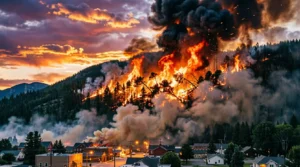
Urban Wildfire Safety: What to Do Before, During, and After
August 29, 2026
When a major wildfire or urban fire threatens your city, the most important thing is to evacuate immediately — moving…
Over 400 schools were damaged by the June earthquakes. For hundreds of thousands of children, the disaster didn't just take their homes — it took their place to learn, to play, and to feel safe.
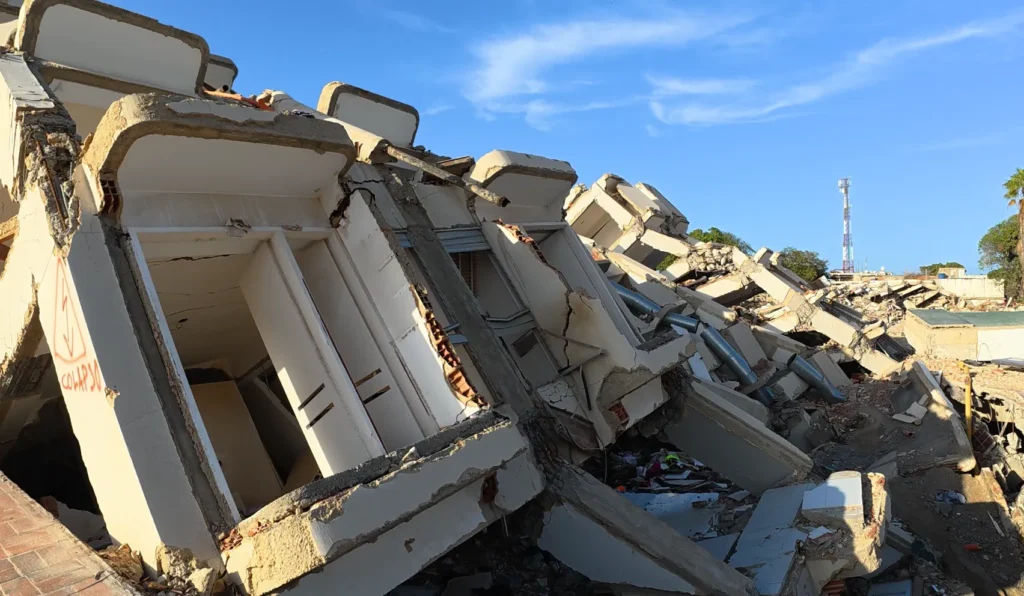
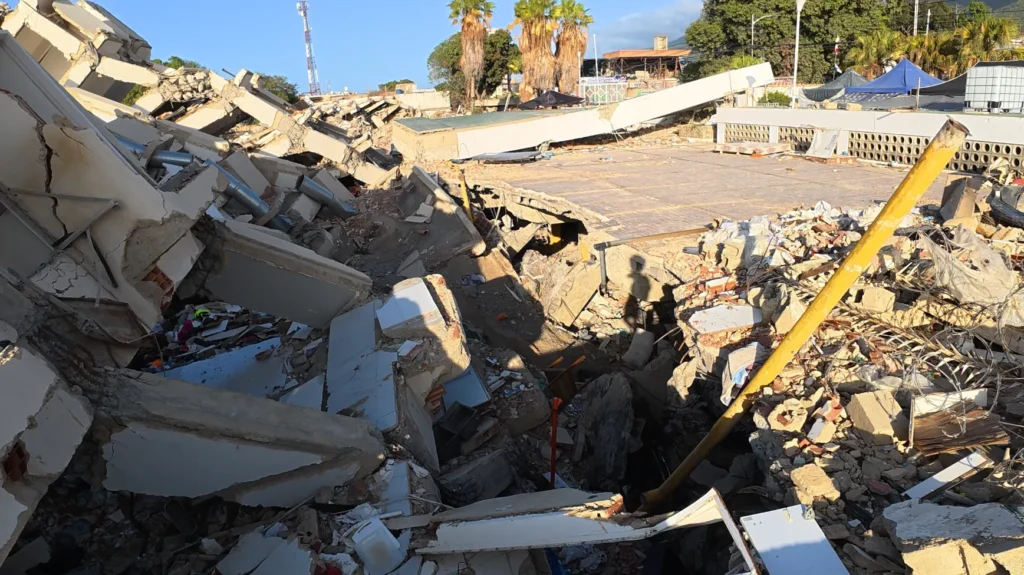
The children of northern Venezuela will remember June 24, 2026 for many reasons. For some, it is the sound of walls cracking. For others, it is the sight of their school — the place where they had spent years — reduced to rubble in under a minute.
“My school collapsed, and my classroom collapsed,” one child told aid workers in the days after the earthquakes. She was not alone. Across the affected states, more than 430 schools were damaged by the twin earthquakes, with over 200 declared unsafe for students. In Caracas alone, more than a third of all schools in the district were affected. In La Guaira, the hardest-hit state, 116 school buildings took serious damage.
When a school closes, it is not only arithmetic and reading that stops. School is where children eat their main meal of the day. It is where they see friends who help them feel normal. It is where they find trusted adults outside their family. For children already traumatized by what they have seen and lost, losing school also means losing a safe place to be a child.
Around 680,000 children were directly affected by the earthquakes, and an estimated 3.9 million children and adolescents live in the affected regions. In the most damaged municipalities, classes have been suspended indefinitely. Even where buildings still stand, many schools have been converted into temporary shelters for displaced families. Tens of thousands of children do not know when, or whether, they will walk back into a classroom.
The Relief Bridge Foundation cannot rebuild every school. We cannot give every child a new backpack or a new desk. We are a volunteer organization, and we know our limits.
What we can do, we do — and we do it on the ground, in conversation with teachers, parents and municipal education offices.
Our volunteers are working in affected communities to help restart the learning process wherever possible. That means:
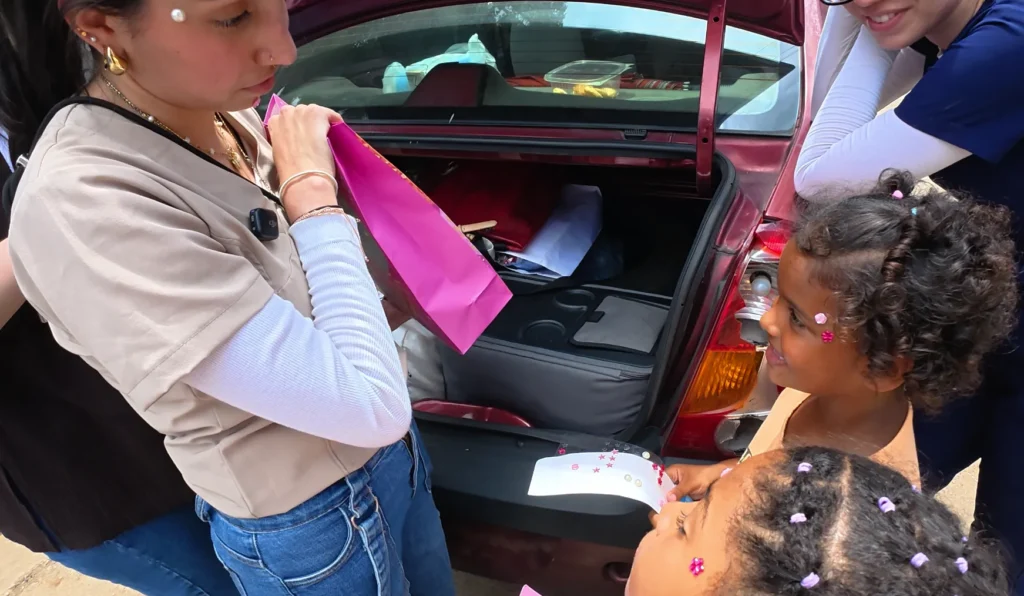
We will not help every family. We wish we could, and that wish is what drives us every day. But the scale of this disaster is enormous, and no single organization can meet every need.
What we promise instead is this: wherever our teams are working, we work carefully, we listen to the community, and we use every resource we have to help as many children as we can reach. One child with a notebook in her hand. One teacher with a class to teach again. One morning where, for a few hours, life feels like it used to.
That is not everything. But it is a beginning.
Education is one of the last things to be restored after a disaster, and one of the first things children need. Every school year lost is a piece of a child’s future lost with it.
The Relief Bridge Foundation will keep working with local partners, teachers and families to bring learning back to Venezuela’s children — for as long as it takes.