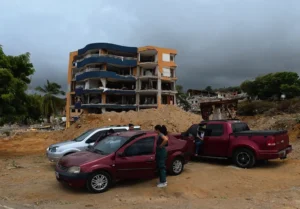
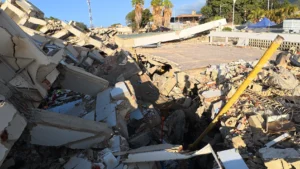
Returning to La Guaira: Why Our Mission Continues When the World’s Attention Fades
September 18, 2026
Time has passed since the initial tragedy struck, but for the people of La Guaira, Venezuela, the journey of recovery…
When a major wildfire or urban fire threatens your city, the most important thing is to evacuate immediately — moving perpendicular to the wind direction — and follow instructions from emergency services without hesitation. Under
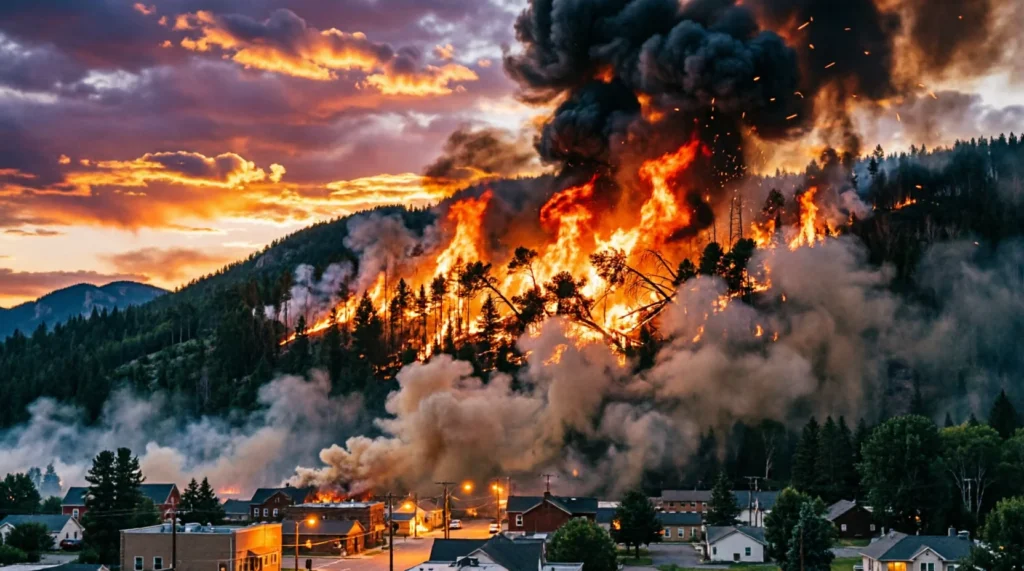
When a major wildfire or urban fire threatens your city, the most important thing is to evacuate immediately — moving perpendicular to the wind direction — and follow instructions from emergency services without hesitation. Under strong winds, fire can spread at 15–20 km/h (10–12 mph), so every minute counts.
Dial 911 immediately. Give the dispatcher a clear address, neighborhood, and a brief description of the fire’s size and location. Stay on the line until they tell you to hang up.
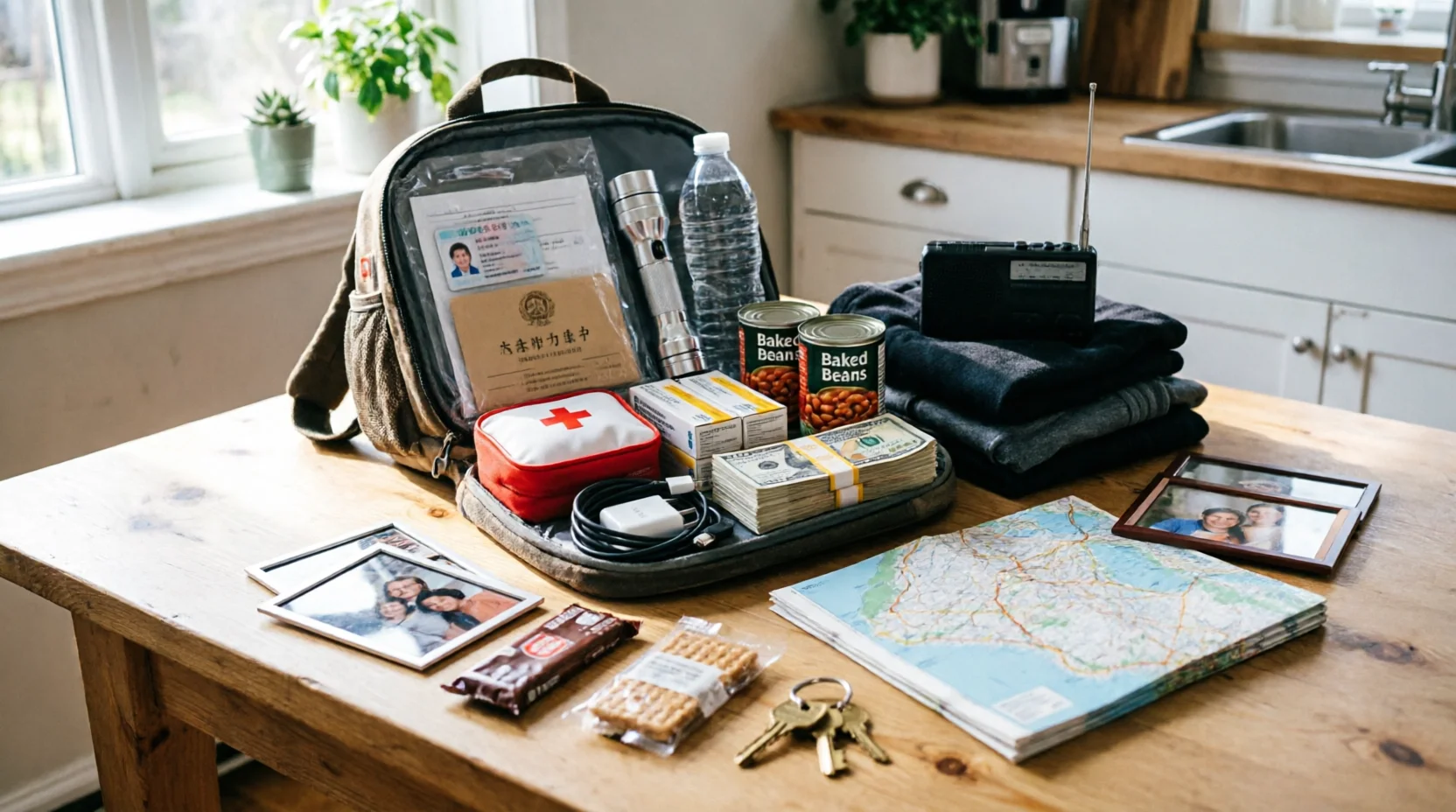
Do not try to save belongings. Grab only:
Leave everything else behind.
Smoke is the deadliest part of any fire. Cover your mouth and nose with a wet cloth (scarf, bandana, shirt) and stay as low to the ground as possible — toxic gases rise, and the air is cleaner near the floor.
Buildings may lose power during a fire. Use stairwells only — and only those that are smoke-free.
If flames or thick smoke cut off your route out of the building:
If authorities warn that a large fire is headed toward your area, take these steps immediately:
| What to focus on | What to do |
|---|---|
| Windows and doors | Close and lock all windows, vents, and doors. Remove curtains and flammable items from balconies and windowsills. |
| Vents and gaps | Seal ventilation grilles with damp cloth or tape to keep smoke from entering your home. |
| Your property | If you live in a house, wet down the roof and exterior walls with a garden hose. Move dry leaves, branches, and vehicles away from wooden structures. |
| Your go‑bag | Pack an emergency kit with: IDs, cash, medications, flashlight, power bank, water, and non‑perishable food for at least 3 days. Keep it by the door and ready to grab. |
Final note: Fires move fast, but your response can be faster. Preparation and quick, clear-headed decisions save lives. Know your evacuation routes, keep your go‑bag packed, and always listen to local authorities.