
Venezuela Earthquake 2026: A Call for Urgent Aid
Time to Act!
A Nation in Crisis
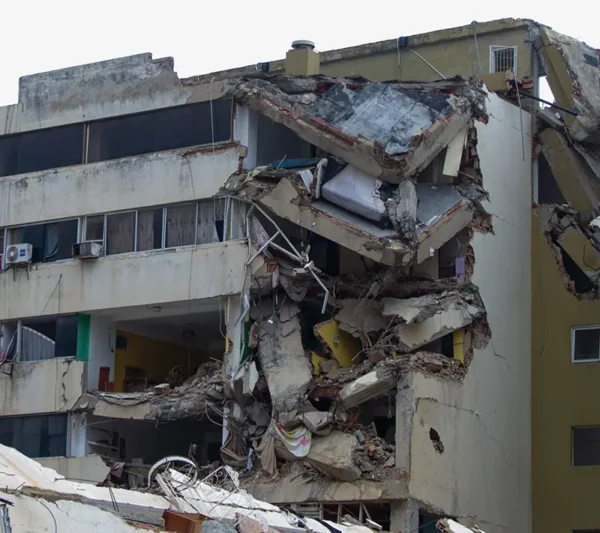
On the morning of June 24, 2026...
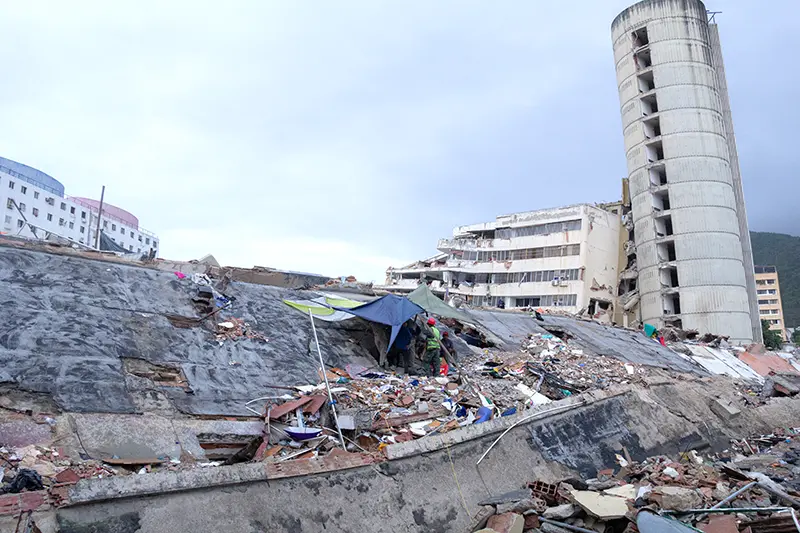
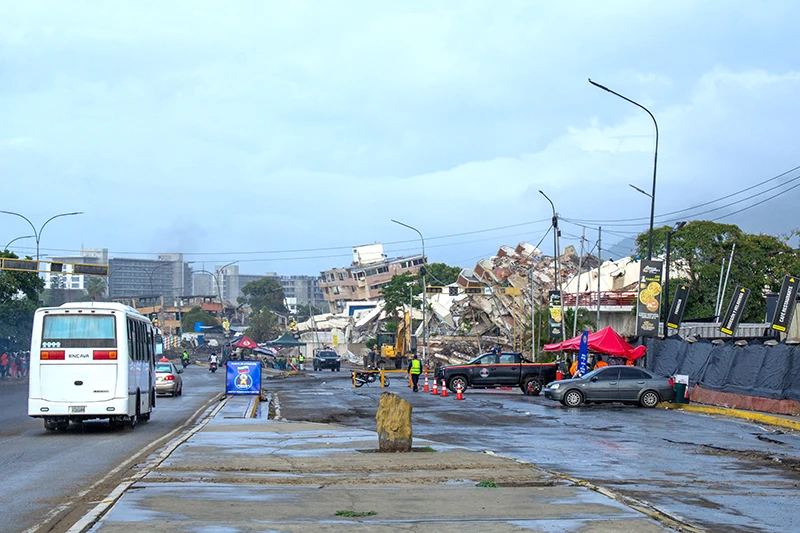
On the morning of June 24, 2026, a powerful magnitude 7.2 earthquake struck the northern coast of Venezuela at 18:04 local time. The epicenter was located approximately 35 kilometers northeast of the coastal city of La Guaira, at a depth of just 12 kilometers—dangerously shallow, which amplified the destructive force on the surface. The tremor lasted for nearly 45 seconds, shaking the ground across an area spanning over 500 kilometers.
Regions Most Affected
The earthquake hit hardest along Venezuela’s densely populated northern coastline. The following regions experienced catastrophic damage:
-
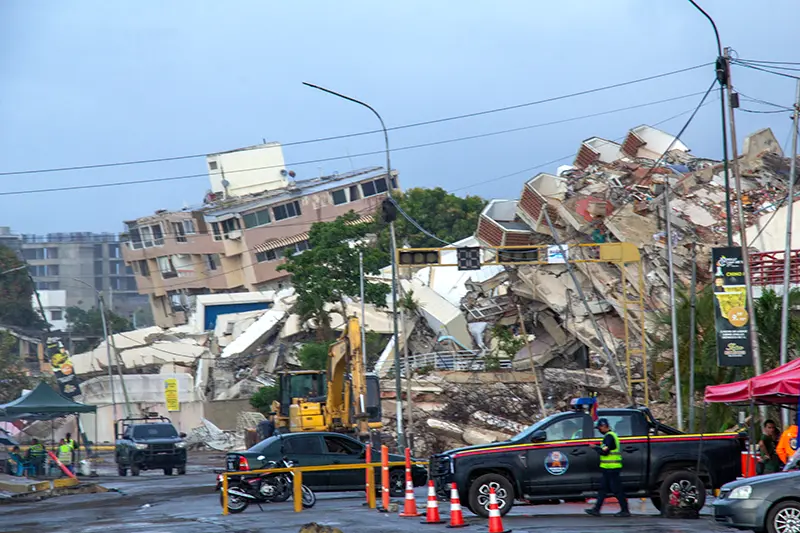
La Guaira (Vargas State) – The closest major population center to the epicenter, this coastal city bore the brunt of the quake. Entire neighborhoods were reduced to rubble, particularly the historic El Ávila district, where poorly maintained colonial-era buildings collapsed instantly.
-
Caracas (Capital District) – The capital, just 45 kilometers from the epicenter, suffered extensive structural damage. High-rise buildings swayed violently, and dozens of older residential towers in the 23 de Enero and Petare neighborhoods partially collapsed. The city’s power grid failed for over 72 hours, and water supplies were severely compromised.
-
Miranda State – The coastal areas of Miranda, including the popular tourist town of Los Caracas, were devastated. Landslides along the coastal mountain range buried sections of the main highway connecting Caracas to the eastern part of the country.
-
Aragua and Carabobo States – Cities like Maracay and Valencia experienced significant structural damage, with hospitals, schools, and public buildings suffering severe fractures. The coastal towns of Ocumare de la Costa and Puerto Colombia were flooded by a localized tsunami wave of approximately 2 meters.
What Was Destroyed
The scale of destruction is staggering:
-
Housing: Over 120,000 homes were either completely destroyed or rendered uninhabitable. In La Guaira alone, an estimated 78% of all residential structures sustained major damage.
-
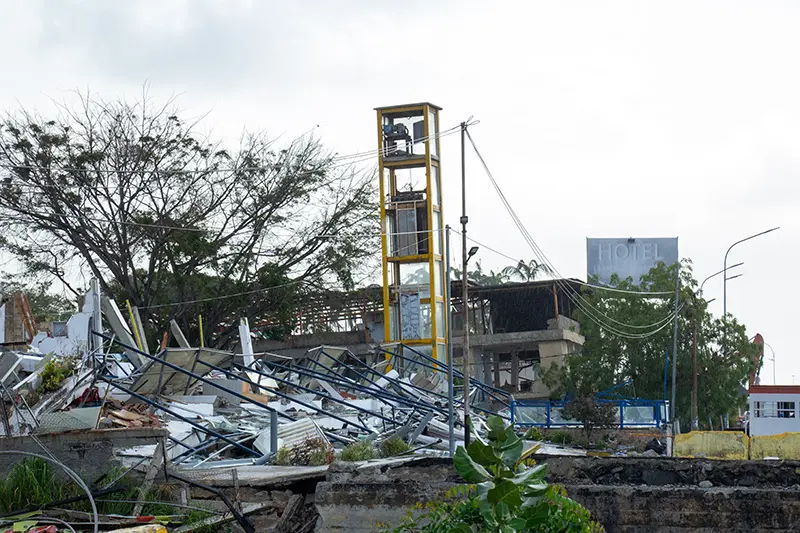
Infrastructure: The critical La Guaira–Caracas highway, the main arterial road connecting the capital to its primary port, is impassable in multiple sections due to landslides and collapsed bridges. The El Vigía–Caracas railway line suffered severe track deformation.
-
Hospitals: At least eight major hospitals in the affected regions were damaged to the point of closure. The main hospital in La Guaira is completely non-operational due to structural failure.
-
Schools: Over 300 schools have been declared unsafe for use, affecting more than 150,000 children.
-
Ports: The Port of La Guaira, a crucial hub for food imports, has sustained heavy damage, significantly impacting the flow of essential supplies.
Casualties
The human cost has been immense:
-
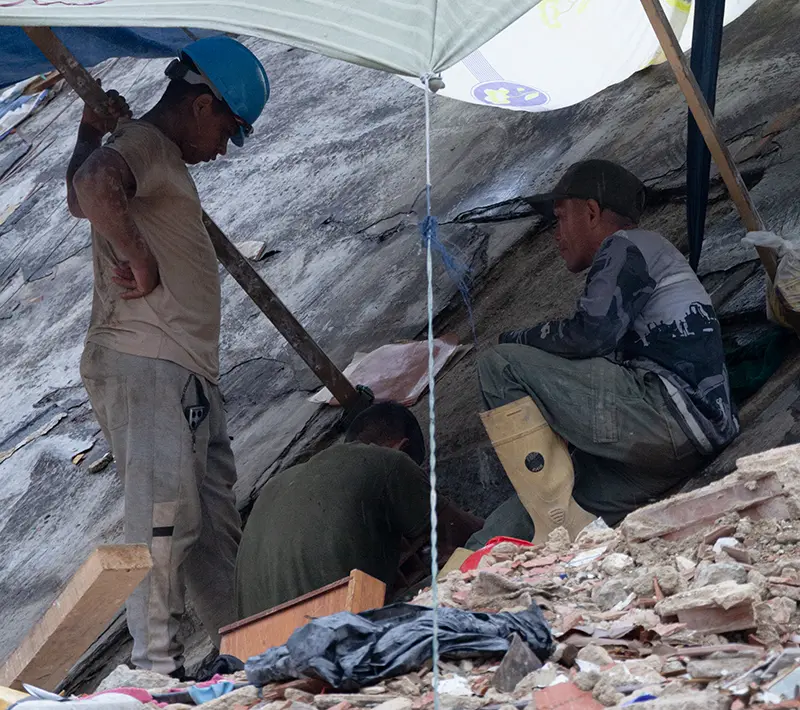
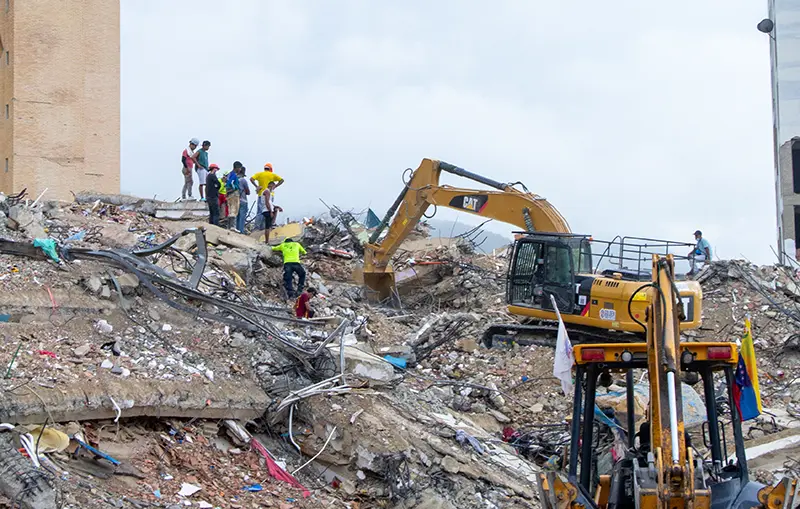
Deaths: As of the latest official reports (July 27, 2026), at least 1,874 people have been confirmed dead. This number is expected to rise as rescue teams continue to dig through collapsed buildings, particularly in La Guaira and the hardest-hit areas of Caracas.
-
Injured: Over 9,500 people have been injured, with more than 1,200 in critical condition and requiring urgent medical evacuation to unaffected regions.
-
Missing: Close to 2,300 people remain unaccounted for, according to the Venezuelan Civil Protection agency.
-
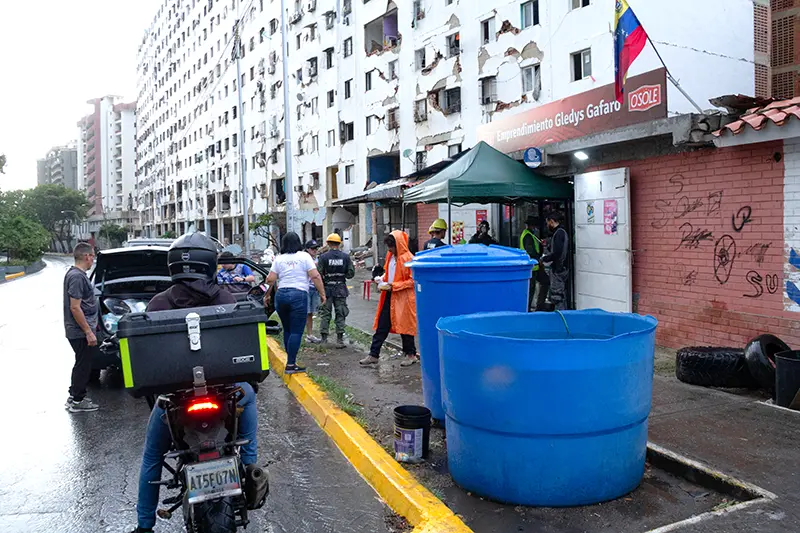
Displaced: An estimated 500,000 people have been displaced from their homes and are living in emergency shelters, with many sleeping in the open due to ongoing aftershocks, which have numbered over 200 at magnitudes up to 5.8.
Future Consequences
The immediate crisis is only the beginning. The earthquake will have long-lasting repercussions for Venezuela, a nation already struggling with a deep economic and humanitarian crisis:
-
Food & Water Shortages: With the Port of La Guaira severely damaged and many inland transport routes blocked, the distribution of food, medicine, and clean water will be critically hampered for months. An acute famine risk is emerging.
-
Disease Outbreaks: Stagnant water, lack of sanitation, and overcrowded shelters create a perfect environment for waterborne diseases. Cholera and dengue fever outbreaks are a serious and imminent threat.
-
Economic Collapse: The destruction of infrastructure, ports, and industrial zones will deal a devastating blow to Venezuela’s already fragile economy. The insurance and reconstruction costs are estimated to exceed USD 20 billion.
-
Mass Displacement: A new wave of migration is already underway, with many of the displaced seeking to cross into Colombia, Brazil, and other neighboring countries, further straining the region’s resources.
-
Political & Social Instability: In a country already suffering from a severe humanitarian crisis and political tension, the earthquake adds a volatile new layer. The government’s ability to respond effectively is severely compromised, leading to growing public desperation and the potential for further social unrest.
How You Can Help
The people of Venezuela urgently need your support. Charitable organizations on the ground—including those with existing humanitarian missions in the country—are racing to deliver food, water, shelter, and medical aid.
Your donation today can:
-
Provide emergency food rations to a family of five for a month.
-
Supply life-saving medicine and basic healthcare.
-
Fund the construction of temporary shelters for displaced families.
-
Support long-term rebuilding and rehabilitation projects.