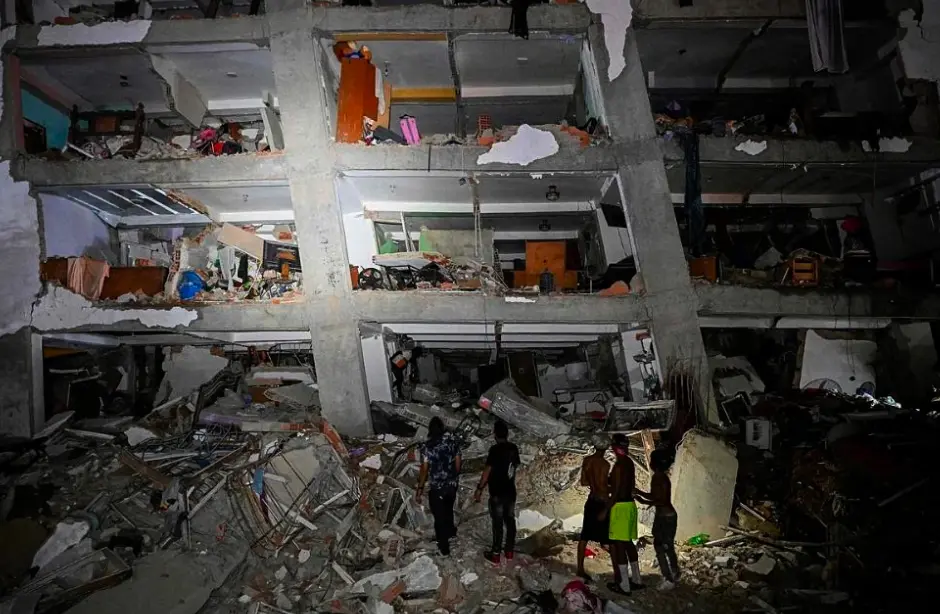
Earthquakes strike without warning. The ground can shake for seconds or minutes, and the difference between safety and injury often comes down to preparation and knowing what to do in the moment.
Before an Earthquake: Prepare Now
Think ahead. Plan your response.
- Develop a family emergency plan. Know what each person should do during an earthquake — whether at home, work, school, in a theater, on public transport, or outside.
- Make sure every family member knows basic first aid and CPR. Take a course if you haven’t already.
Keep essentials accessible.
- Store documents, cash, a flashlight, and spare batteries in a designated spot that’s easy to grab.
- Keep a supply of drinking water and canned or non-perishable food for at least three days.
Secure your home.
- Move beds away from windows and exterior walls.
- Anchor heavy furniture — bookcases, cabinets, shelving — to the wall. Move heavy items from high shelves to lower ones.
- Do not store hazardous materials (pesticides, flammable liquids, toxic chemicals) in your home.
- Make sure everyone in the household knows how to shut off gas, water, and electricity in an emergency.
During an Earthquake: Drop, Cover, and Hold On
You’ll feel the building shake. Lights will sway. Objects will fall. Glass will break. You may hear a low rumble that grows louder.
You have 15 to 20 seconds from the first tremor to when the shaking becomes dangerous. Use that time wisely.
If you’re indoors:
- DROP to the ground before the shaking knocks you down.
- COVER your head and neck with your arms. If possible, get under a sturdy table or desk and hold onto it. If no shelter is nearby, crawl to an interior wall away from windows, or crouch low and cover your head.
- HOLD ON until the shaking stops.
Do not stand in doorways — they are not safer than other parts of the room and do not protect you from falling debris.
If you’re on a lower floor and can safely exit within seconds:
- Grab your prepared emergency kit (documents, cash, essentials).
- Leave the building quickly but calmly.
- Use stairs — never elevators. Elevators may lose power or get stuck.
If you’re outdoors:
- Move away from buildings, streetlights, trees, and power lines.
- Find an open space and stay there until the shaking stops.
- Watch for falling debris — balconies, cornices, window glass, and overhead wires.
If you’re in a vehicle:
- Pull over to a clear area away from buildings, trees, overpasses, and power lines.
- Stay inside the vehicle. Keep your seatbelt on.
- Open the doors slightly so they don’t jam if the frame bends.
- Wait until the shaking stops completely before driving.
After an Earthquake: Stay Alert
Check yourself and others for injuries. Provide first aid where needed.
Be prepared for aftershocks. They can be nearly as strong as the main quake and may cause additional damage.
Assess your surroundings:
- Look for fire hazards — gas leaks, electrical sparks, or damaged wiring.
- If you smell gas or hear a hissing sound, shut off the main valve and leave the building immediately. Do not use open flames or electrical switches.
- Check water and sewage lines for damage before using.
When re-entering buildings:
- Do not enter if you see structural damage, cracks, or shifting.
- Watch for loose debris, hanging objects, and unstable walls.
Stay informed:
- Listen to emergency broadcasts on a battery-powered radio or your phone.
- Follow instructions from local authorities.
Final note: Earthquakes are unpredictable, but your response doesn’t have to be. Preparation, clear thinking, and quick action save lives. Share these guidelines with your family and neighbors — and practice your plan regularly.