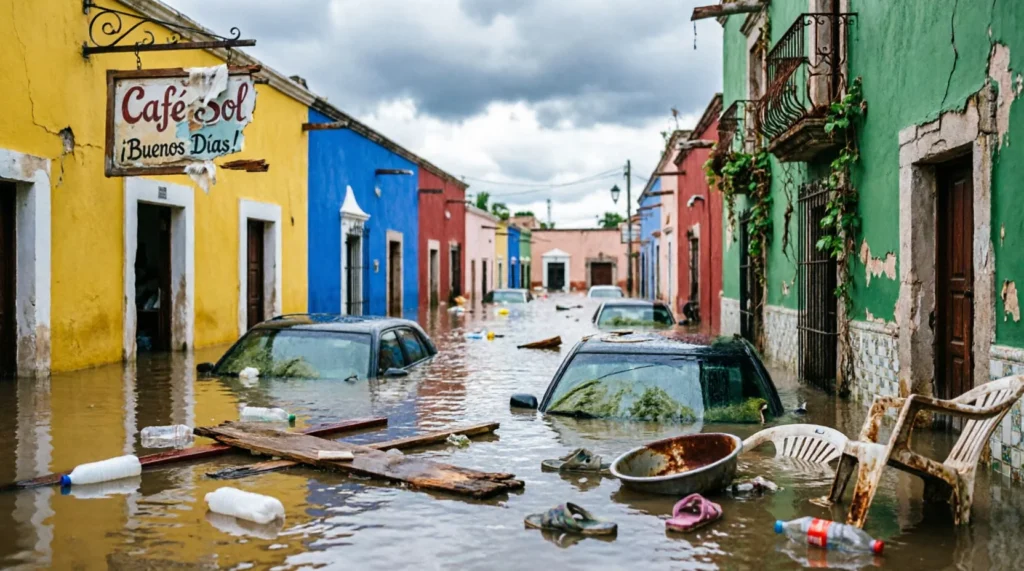
Flooding happens when water rises above normal levels — in rivers, lakes, or coastal areas — due to heavy rain, snowmelt, storm surges, ice jams, or high winds. In some regions, wind-driven tidal surges cause especially rapid and dangerous flooding.
Floods can destroy roads, bridges, buildings, and infrastructure. When water moves faster than 4 m/s (about 9 mph) or rises higher than 2 meters (over 6.5 feet), the risk to life becomes severe. Most structural damage comes not just from water, but from the impact of debris — ice, timber, vehicles, and other objects carried by the current. Floods can begin with little warning and last anywhere from a few hours to several weeks.
Before a Flood: Prepare Now
If you live in a flood-prone area:
- Learn the flood boundaries for your neighborhood. Know which nearby high ground is safe and how to get there quickly.
- Identify the shortest routes to elevated areas that rarely flood.
- Talk through evacuation plans with your family — both organized evacuations and last-minute escapes.
- Know where boats, rafts, and materials for building makeshift flotation are stored.
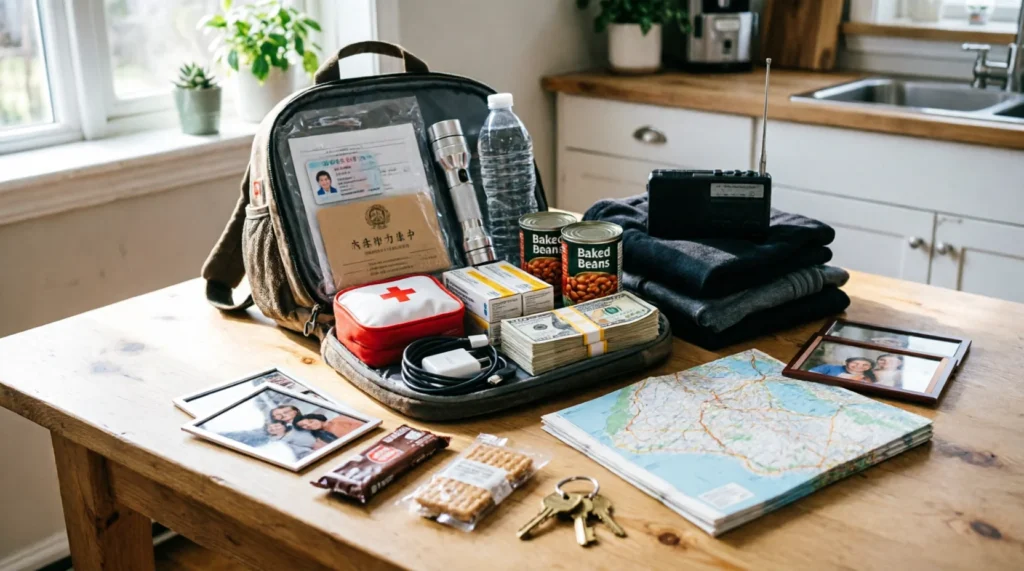
- Make a list of what you’ll take if you have to leave: documents, valuables, medication, warm clothing, food, and water.
- Pack a go-bag with essentials — keep it ready and easy to grab.
During a Flood: Act Fast
When you hear a flood warning or evacuation order:
- Leave immediately — do not wait. Follow the designated route to higher ground or the evacuation center.
- Take your go-bag, documents, and a 48‑hour supply of non‑perishable food.
- Register at the evacuation center so family and authorities can track you.
Before you leave your home:
- Shut off electricity and gas. Extinguish any fire in heating stoves.
- Secure or move any floating objects (outdoor furniture, equipment) indoors.
- If you have time, move valuables to the upper floors or attic.
- Close and lock all windows and doors. Board up ground-floor windows and doors if possible.
If there is no organized evacuation:
- Go to the highest level of your building — the roof if necessary. Climb a tree or any elevated structure if that’s your only option.
- Signal for help constantly:
- Daylight: wave a bright cloth or flag on a pole.
- Nighttime: use a flashlight or call out regularly.
- When rescuers arrive: stay calm. Follow their instructions exactly. Do not overload boats. Stay seated, don’t stand or lean over the sides, and obey the crew at all times.
Only attempt to swim or wade through floodwater if:
- You have no other choice (e.g., rising water threatens to overtake your shelter, or someone needs urgent medical help).
- You have a reliable flotation device and know which direction to go.
- Keep signaling for help as you move.
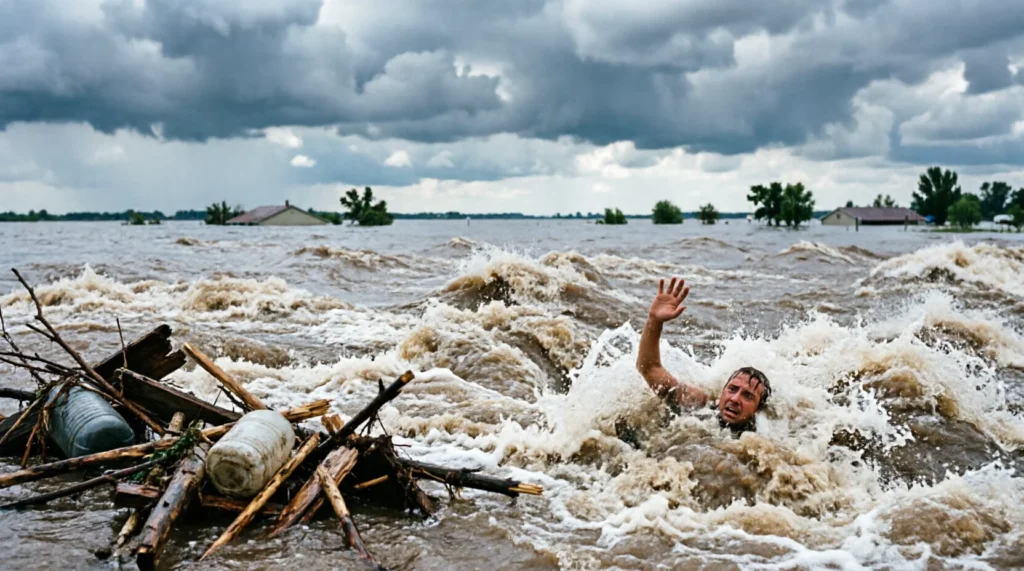
If you see someone in the water:
- Throw them something that floats — a life ring, board, or anything buoyant.
- Shout encouragement and call for help.
- If you swim out to them, approach from behind. Currents can be deceptive. If they’re panicking, grab them by the hair and tow them to shore.
After a Flood: Stay Safe
Before re-entering any building:
- Check for structural damage — collapse risk, loose debris, or hanging objects.
- Ventilate the space thoroughly to clear any trapped gases.
- Do not turn on lights, use open flames, or light matches until the building is fully aired out and gas lines have been inspected.
Check these systems before using them:
- Electrical wiring
- Gas pipes
- Water supply and sewage lines
Wait for a professional to confirm they are safe.
To dry out your home:
- Open all doors and windows.
- Remove mud and debris from floors and walls.
- Pump water out of basements — but do it gradually to avoid structural stress.
Do not eat any food that has come into contact with floodwater.
If you have a well:
- Clean out any debris and silt.
- Pump it dry multiple times until the water runs clear, then have it tested before drinking.
Final note: Floods are unpredictable, but your response doesn’t have to be. Preparation and calm, deliberate action save lives. Share these guidelines with your family and neighbors — and keep a go-bag ready year-round.